Everyday Nutrition Habits

What Is the Story Behind Biblical drink (oil)/ Honey blend That People Add to Their After-Meal Routine?

Learn where Biblical drink (oil)/ Honey blend comes from, how it was traditionally used in the kitchen, and how it fits into a broader after-meal habit — always alongside your doctor’s guidance, never in place of it.

Everyday Nutrition  ·  Daily Habits  ·  Educational Content  ·  Everyday Nutrition  ·  Daily Habits  ·  Educational Content

A Familiar Daily Rhythm

For anyone paying attention to what they eat and when, certain moments in the day tend to repeat. Do any of these feel familiar?

The Confusion Around What to Eat

Advice on food seems to change depending on who you ask, leaving many people unsure whether their everyday choices actually make sense.

The Post-Lunch Energy Rollercoaster

A midday meal followed by a noticeable dip in energy is something many people describe, often without knowing which habit might be contributing.

The Mental Weight of Every Meal Decision

Deciding what goes on the plate, three times a day, can quietly add up to a kind of daily fatigue of its own.

Morning Fatigue Before the Day Even Starts

For some, mornings already feel heavy before the first task of the day, which can shape how the rest of the day's eating unfolds.

Common Kitchen Myths, Set Straight

Some ideas about food repeat so often they start to sound like fact. Here is a closer, more sober look at three of them.

MYTH

All carbohydrates are the enemy of a healthy plate.

FACT

Carbohydrates are a normal part of eating; the type, portion, and pairing on the plate matter more than avoiding them altogether.

MYTH

Fruit is too sugary to include in a balanced meal pattern.

FACT

Whole fruit comes with fiber and nutrients that differ from added sugars, and many people include it as part of a varied plate — always in the context of guidance from their own care team.

MYTH

There is a special category of ‘diabetic food’ that solves everything.

FACT

Most packaged ‘diabetic’ labels describe a marketing category, not a medical one. A varied, whole-food pattern discussed with a healthcare professional matters more than any label.

Three Everyday Meal Habits Worth Noticing

None of these are rules — they’re habits some people build into their routine, one meal at a time.

01

Slow Down the Pace

Eating unhurried, with small pauses between bites, is a habit many people build into family meals and busy weekday routines alike.

02

Add Gentle Movement After Eating

A short, easy walk after a meal is a tradition in many households — always within whatever activity level your doctor considers appropriate for you.

03

Mind the Order on the Plate

Some people choose to eat vegetables and protein before starchy foods, simply as a matter of habit and structure — not as a rule that fits everyone.

Where Biblical drink (oil)/ Honey blend Comes From

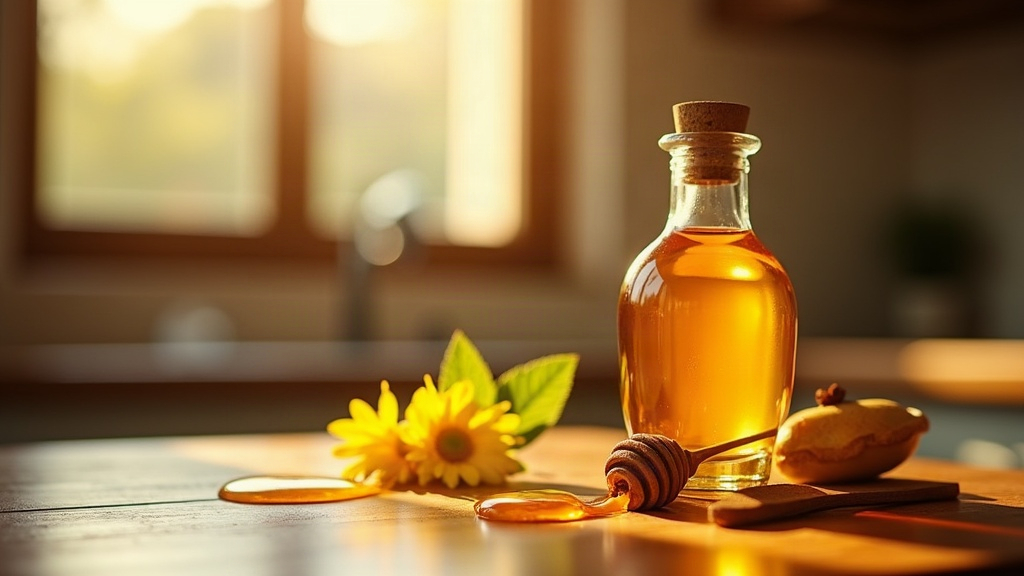
Long before it appeared in modern kitchens, this blend of oil and honey traces back to ancient Mediterranean and Middle Eastern tables, where both ingredients were everyday pantry staples rather than remedies. Olive oil was pressed and stored in clay jars, then drizzled over bread, grains, and cooked vegetables. Honey was gathered and kept alongside it, often mixed together and spooned over flatbread or stirred into a warm herbal infusion after a meal — a small ritual that closed out the table before the dishes were cleared. Regional food traditions describe this pairing as a mark of hospitality, offered to guests and passed down through generations as part of a shared culinary heritage, not a formulated product with a modern label.

The tradition survives today less as a kitchen curiosity and more as a reminder that some after-meal habits are about culture and ritual, not about changing what happens in the body.

Everyday Moments Worth Bringing Up With Your Doctor

When You're Thinking About Changing Anything About Your Treatment

Never adjust, pause, or replace any prescribed medication or insulin on your own — that conversation belongs with the doctor who prescribed it.

When Afternoon Slumps Feel Different Than Usual

If the tired stretch after lunch feels new, stronger, or harder to shake than what you're used to, it's worth mentioning at your next appointment with the professional who follows your care.

When You're Considering Any Dietary Supplement

Before adding any new ingredient, blend, or supplement to your routine, check with the doctor who manages your care to make sure it fits alongside what you're already doing.

When Meal Planning Feels Overwhelming

If deciding what to eat each day feels like a constant source of stress, a conversation with your doctor or a registered dietitian can help you find a plan that fits your life.

When Sleep and Appetite Shift Together

Noticeable changes in how you sleep alongside changes in hunger are worth describing to your healthcare provider, who can look at the fuller picture.

When a Routine Stops Feeling Sustainable

If a meal habit you adopted starts feeling impossible to keep up, that's a good reason to revisit your plan with your healthcare team rather than push through alone.

How Some People Talk About Their Routine

I started paying attention to the order I eat things on my plate, and it's become a small routine I actually enjoy. Dinner feels less rushed now.

Margaret Holloway
Illustrative account
Adding a short walk after dinner turned into a habit my whole family joined. It's simple, and it gives the evening a nice pause.
Daniel Ferris
Illustrative account
Learning about the history behind the honey and oil tradition made after-meal time feel less like a chore and more like something worth slowing down for.
Priya Anand
Illustrative account

These reflections describe personal routines and habits only. They do not describe medical outcomes, glucose readings, or treatment results, and individual experiences vary. Always consult your healthcare provider before changing your diet or routine.

Curious About the Full Tradition Behind Biblical drink (oil)/ Honey blend?

This page is educational and does not replace medical advice. Keep up with your regular checkups, and talk to your doctor before changing your diet, routine, or any prescribed treatment.

Advertising Disclosure: This page contains sponsored content and affiliate links. We may receive compensation if you click a link or make a purchase through the links provided on this site. This helps support the operation of this website at no additional cost to you.

Content Disclaimer: This content is provided for educational and informational purposes only. It has not been evaluated by the FDA and is not intended to diagnose, treat, cure, or prevent any disease. It does not substitute for professional medical advice, diagnosis, or treatment. Always consult a qualified healthcare professional before changing your diet, routine, or any prescribed treatment.

Results Disclaimer: Individual results and experiences vary. Testimonials shared on this page reflect personal opinions and routines and are not a guarantee of any particular outcome.

© 2026 · All Rights Reserved